Twenty cards. Ten phases. Two directions.
Equilibrium is a way to understand Tarot through movement: how something begins, meets the world, changes and ends. It does not replace a traditional deck. It gives us a simpler route into the relationships between its cards.
Look for the pattern, not the right answer
Analysis is very good at separating things. It can name the parts of a problem, compare them and tell us where they differ. It is less good at telling us when we have enough information—or what we have failed to notice entirely.
Tarot asks us to put things together. A card beside another card changes what both can mean. A reading becomes useful through those relationships, not through recalling a perfect definition.
Equilibrium makes those relationships easier to see. Each card has a place in a cycle, a mirror across that cycle and a card that follows it. The natural image gives us somewhere to begin without first learning astrology, Kabbalah or another esoteric system. Where a traditional correspondence clearly illuminates the same pattern, we use it. It is supporting material, not the source of the meaning.
Outward, then inward
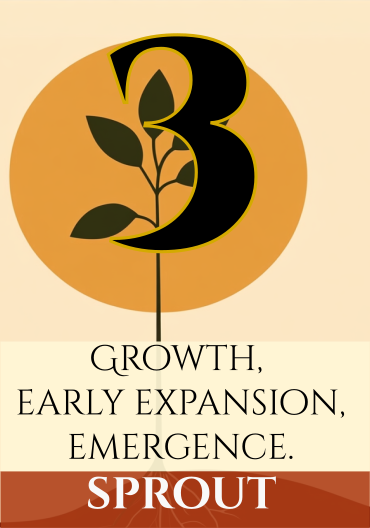
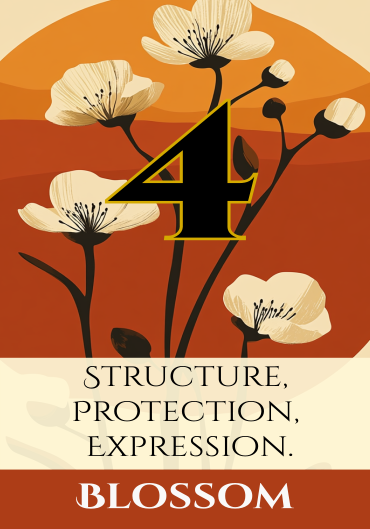
Cards 1–10 form the Solar or outward direction. Seed makes a choice. That choice meets other people, structures and consequences until Light can see the outward movement as a whole.
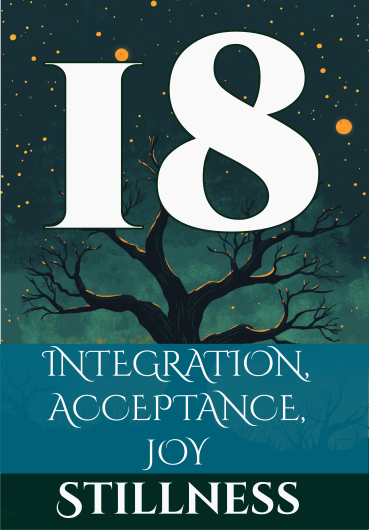
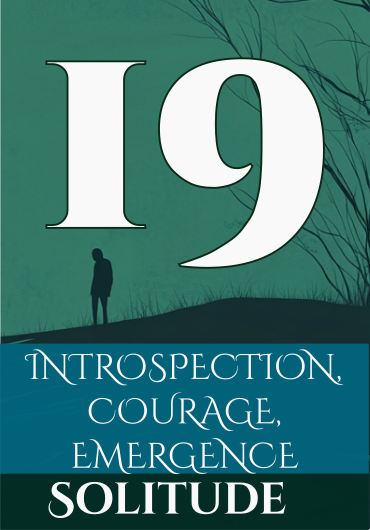
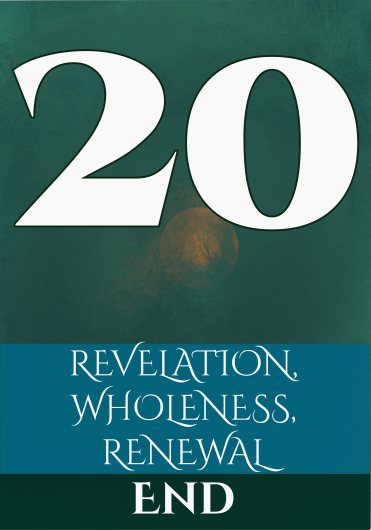
Cards 11–20 form the Lunar or inward direction. Harvest begins by receiving what the outward journey produced. The same ten phases return, but now the work moves through loss, doubt, meaning and completion.
Solar · Outward
Spring and Summer · Seed to Light
Lunar · Inward
Autumn and Winter · Harvest to End
This seasonal tradition emerged in the Northern Hemisphere. Keep its structure, but test its images against the place where you live. Your year may be organised by wet and dry seasons, migration, flood, heat or something the Northern calendar barely notices. That local knowledge is not an awkward exception. It is part of the observation.
The ten phases
The phases are a useful resolution, not ten laws of nature. Their names help us talk about the movement. The experience matters more than the label.
Each phase has a mirror
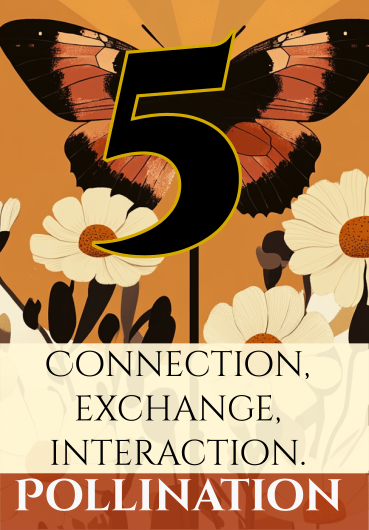
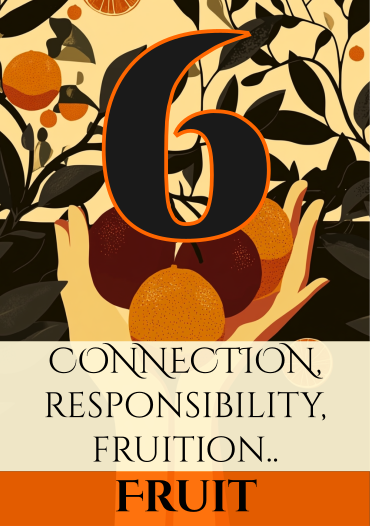
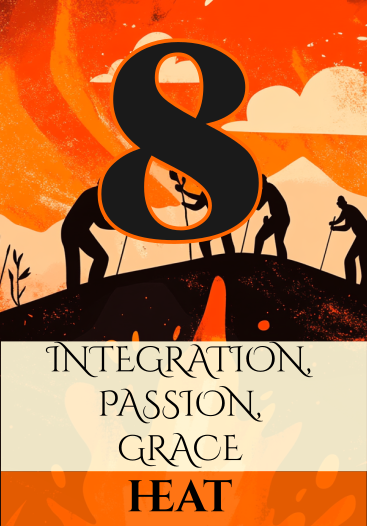
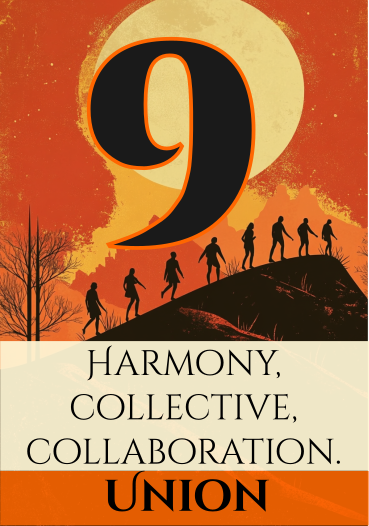
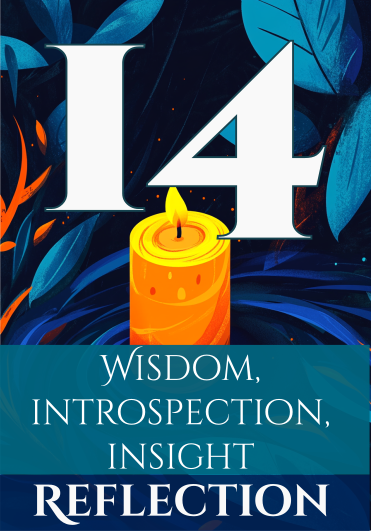
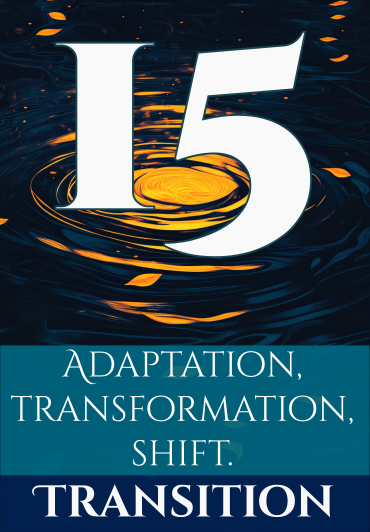
Seed and Harvest are both Boundary. Seed chooses an edge and pushes into the world; Harvest meets an edge imposed by what happened. The phase is the same. Its direction changes.
The other nine pairs work in the same way. The mirror is not an opposite meaning, a cure or a reversal. It is the same phase encountered from the other direction.
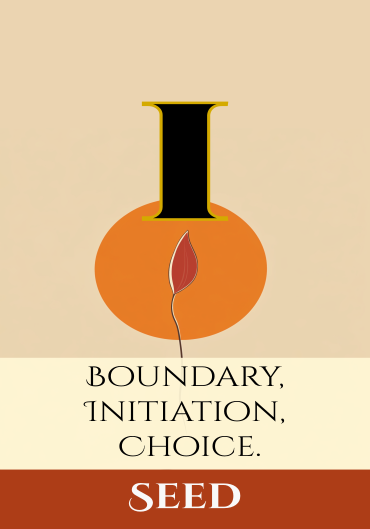
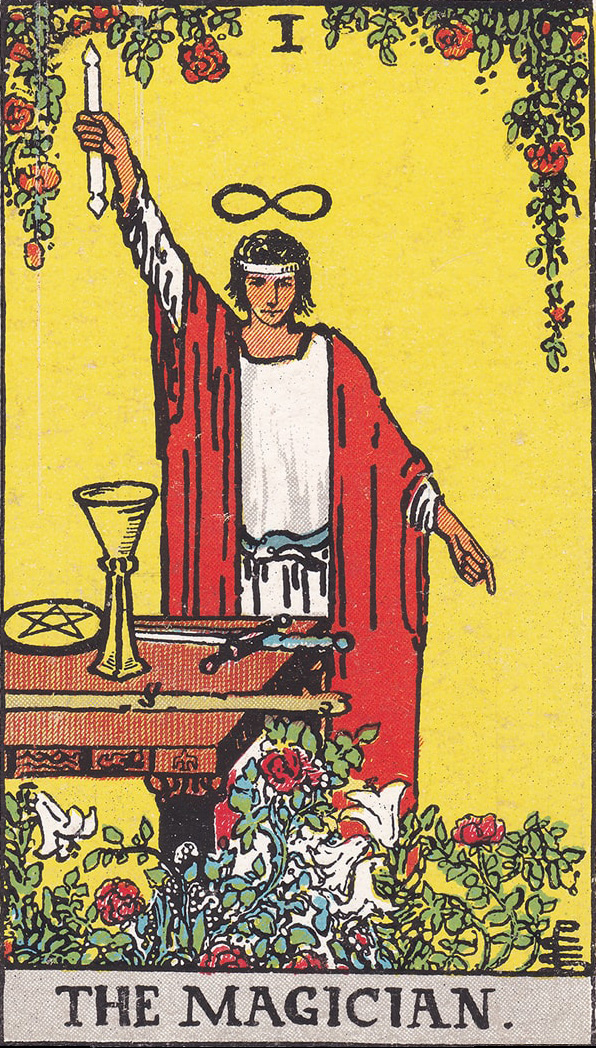
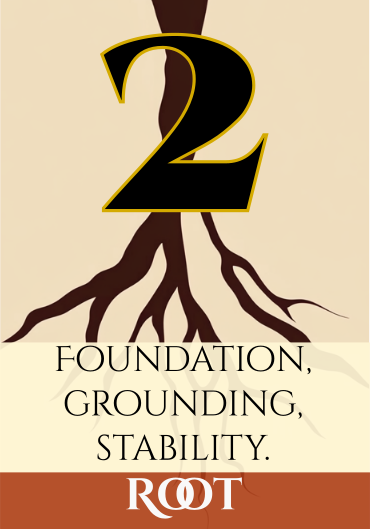
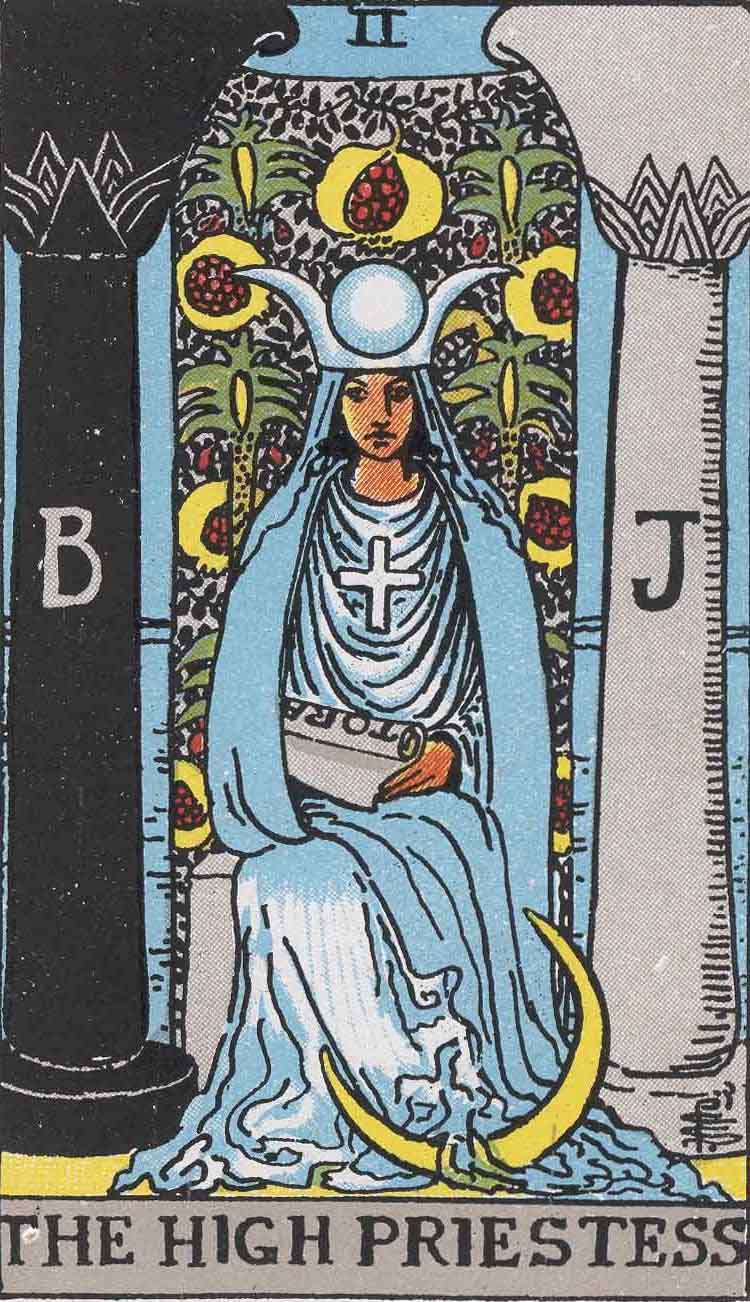

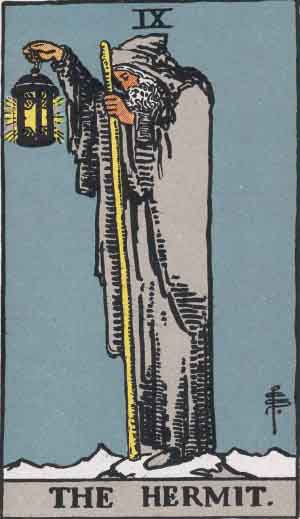
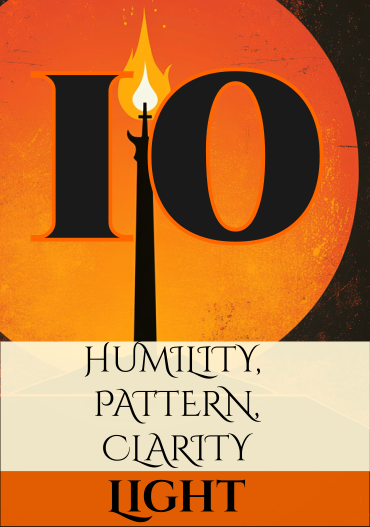
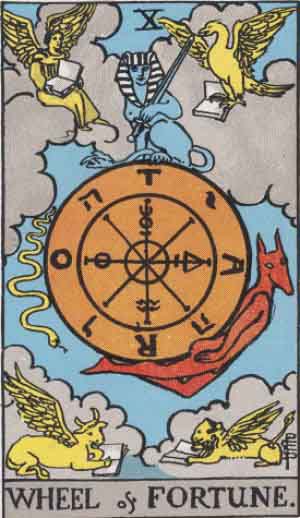
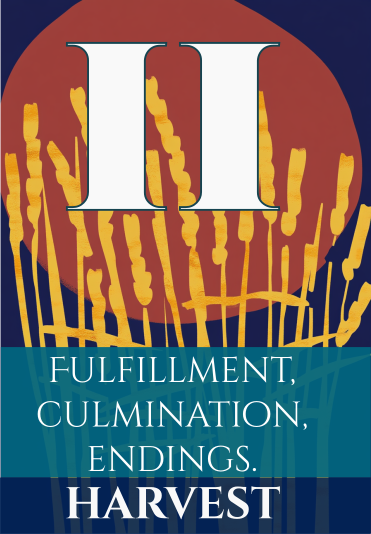
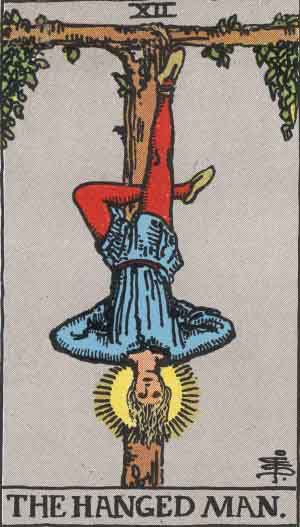
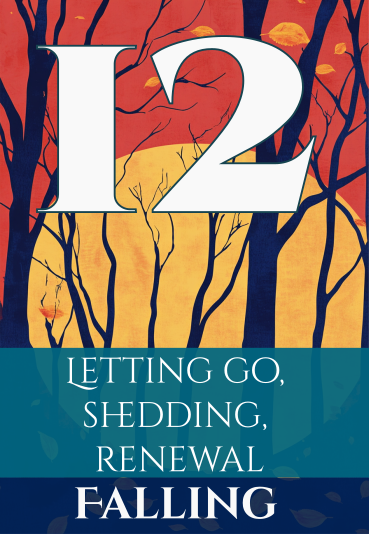
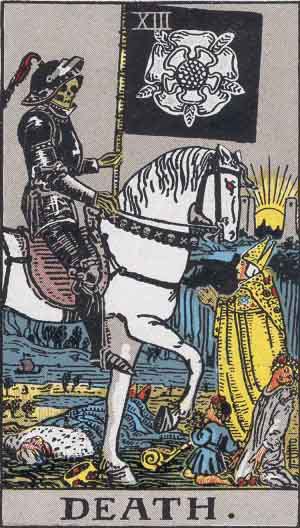
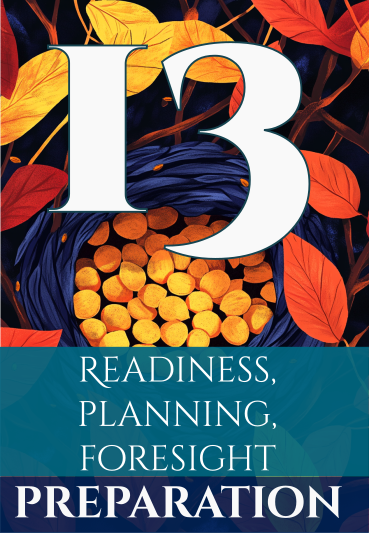
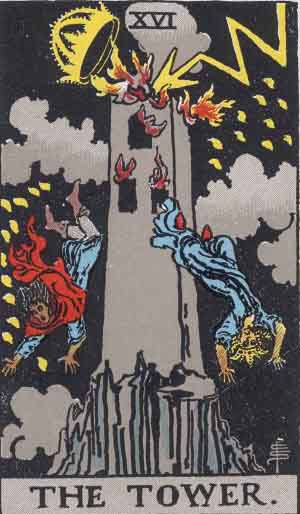
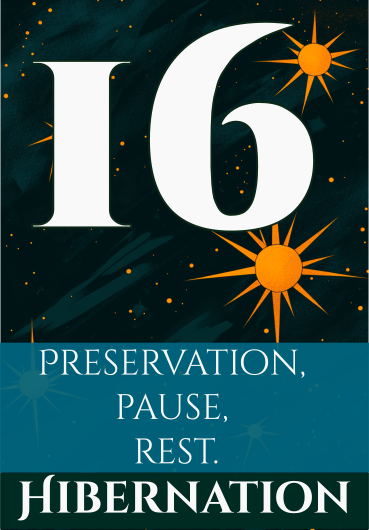
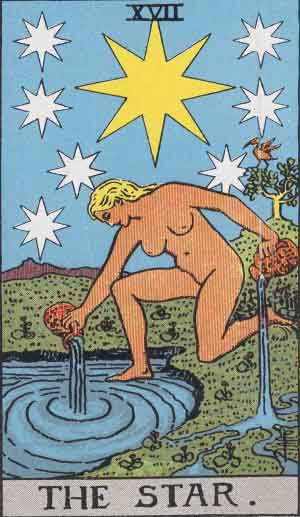
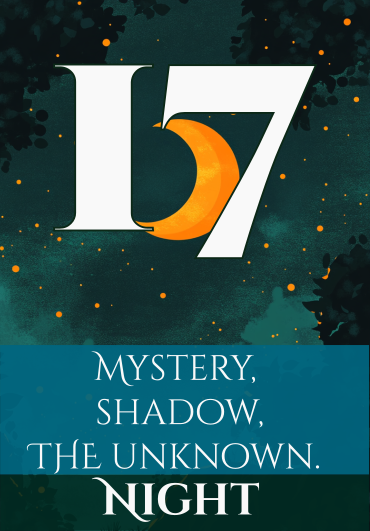
The Fool and Justice are thresholds
The twenty seasonal cards describe movement. The Fool and Justice sit outside those stages, at the two places where the movement changes.
The Fool · 0 (0/1)
Between End and Seed, the completed form has loosened and nothing new has been chosen. Possibility is open. Seed begins when one possibility becomes this beginning.
Justice · ∞ · 1/0
Between Light and Harvest, the outward direction has reached its limit. It cannot continue by pushing harder. The movement turns, and what was projected into the world has to be received.
The pendulum is an illustration, not proof. A living movement does not remain balanced by finding one perfect point and staying there. It moves, reaches a limit and returns. This is why the deck is called Equilibrium: balance is something worked with through change, not a final state we achieve.
How this meets the traditional Tarot
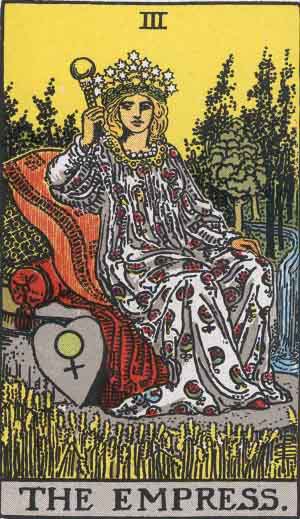
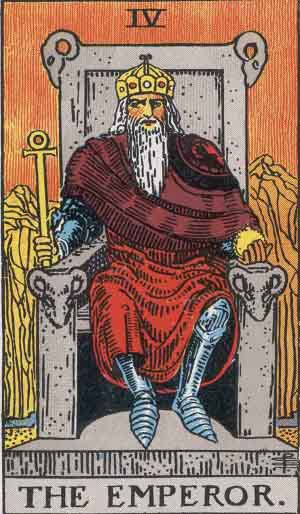
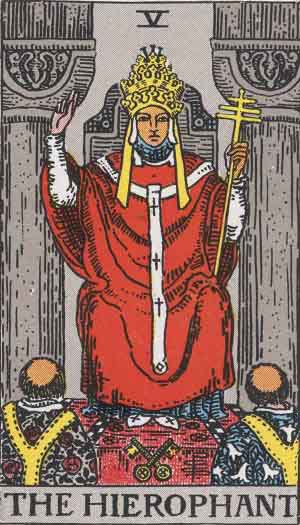
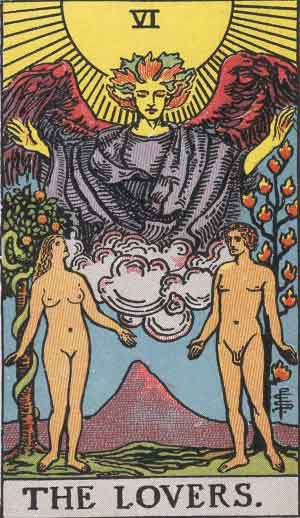
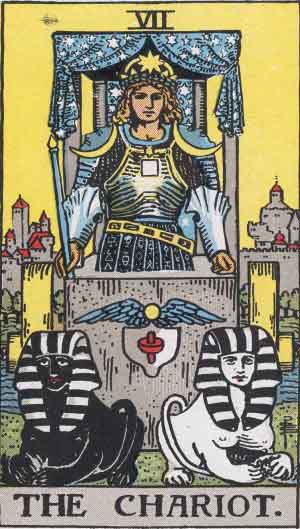
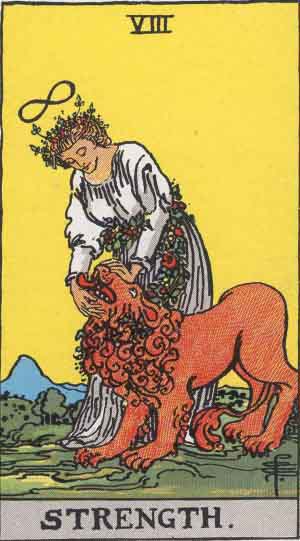
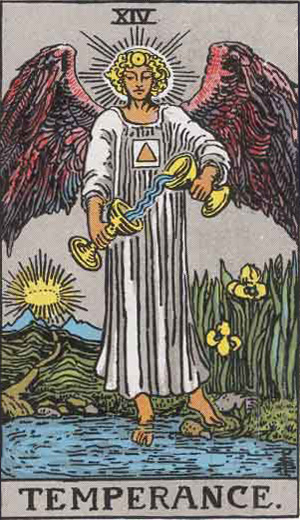
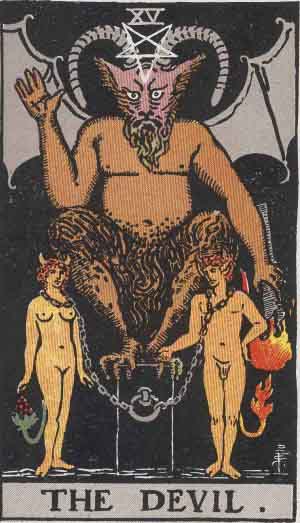
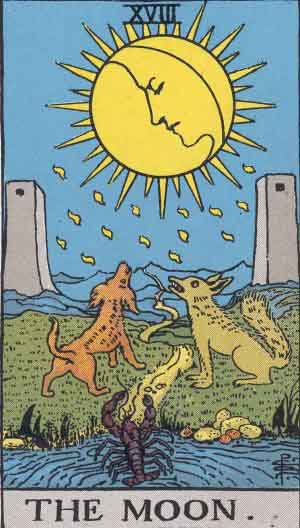
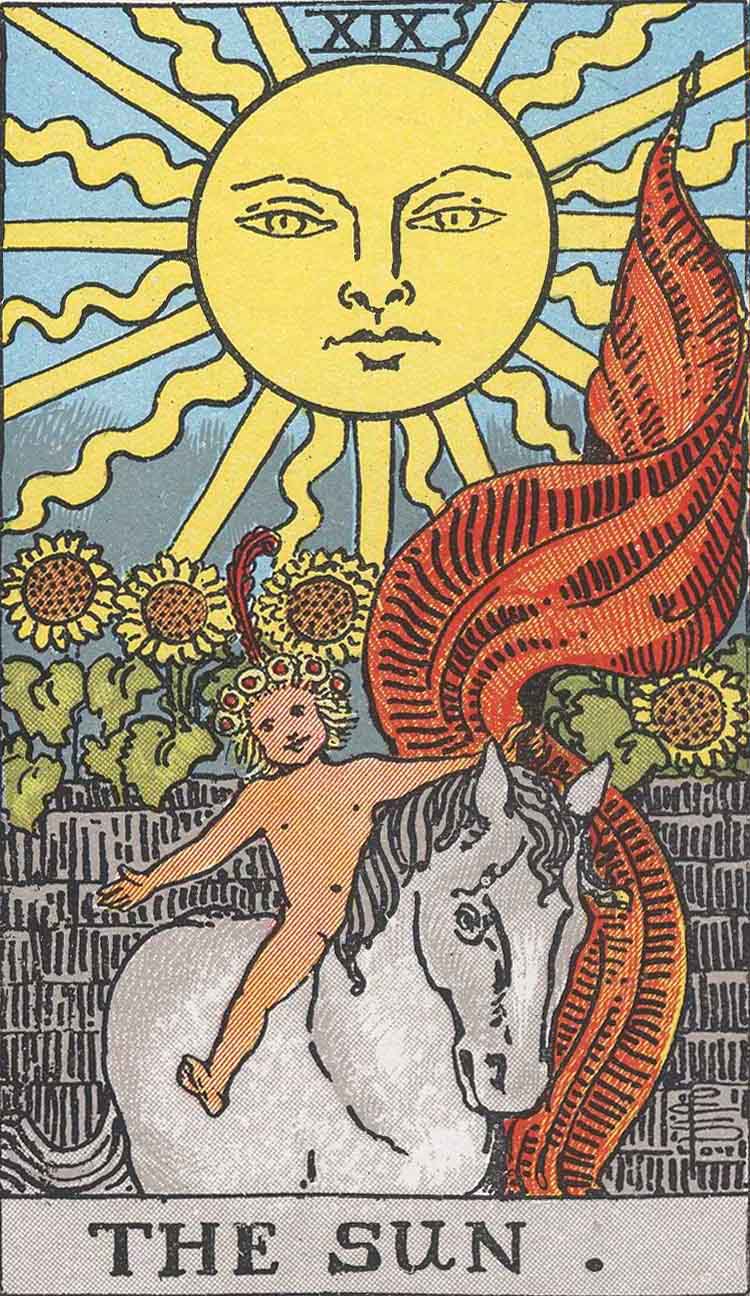
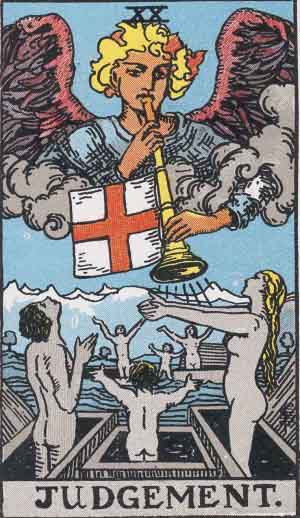
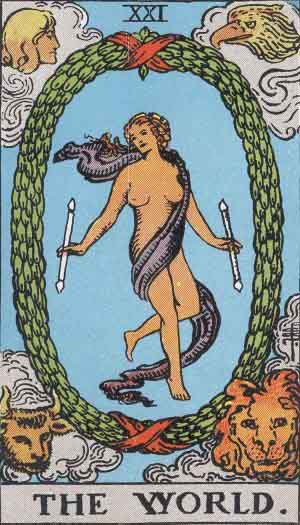
The twenty seasonal cards correspond to twenty Major Arcana cards. The Fool and Justice complete the twenty-two as thresholds. The forty numbered Minor cards express the ten phases through four suits. The sixteen court cards combine four ranks with those same four suits.
You do not need that full architecture to understand a card. Start with the phase. Notice whether it is moving outward or inward. Look at its mirror and what follows. Then return to the traditional image and see what becomes clearer.
Other traditions also use cycles, paired forces and repeated structures. The I Ching and the zodiac can offer useful comparisons. Their resemblance does not prove that every system encodes one hidden universal map. It gives us another pattern to test.
Don't believe any of this because it sounds convincing. Lay out the cards. Watch what changes between them. Use the system, disagree with it and see whether it helps you notice something real.